
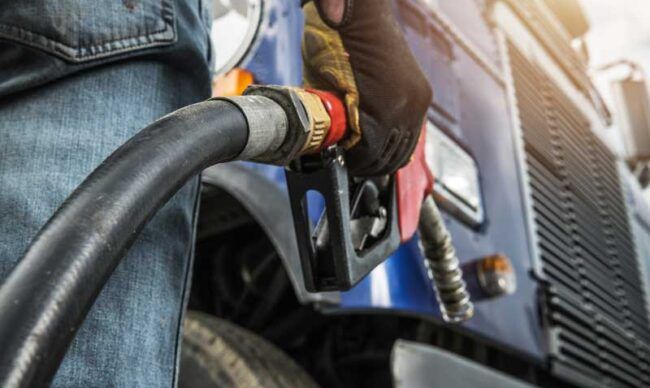
Fuel fraud costs businesses thousands of dollars annually through stolen cards, unauthorized purchases and employee misuse. Traditional credit cards offer limited fraud protection, and cash provides none. Fleet fuel cards use multiple security layers to reduce fraud risk through driver verification, purchase controls and real-time monitoring. Fraud prevention and purchase controls work together with the WEX Fleet Card. Driver ID verification, spending limits and real-time transactions help protect your business. Apply today.
Fleet cards can be configured with product-level restrictions, automatically preventing non-fuel purchases.
Driver ID Verification Systems
Anonymous fuel purchases create fraud opportunities. Credit cards identify accounts but not individual users. Anyone possessing a card can make purchases without verification. This anonymity enables a common type of fuel card fraud: the use of stolen cards by unauthorized individuals. Fleet cards with driver ID requirements help prevent this fraud through PIN verification at every transaction. Cards remain unusable without correct driver identification, providing two-factor authentication and protecting against unauthorized use.
PIN-Based Authentication
Driver IDs function like ATM PINs required for transaction authorization. Cards assigned to vehicles stay in glove boxes, but drivers must enter personal PINs at pumps to authorize purchases. This pairing creates clear accountability and helps prevent unauthorized card use. PIN requirements also discourage intentional misuse. Each purchase ties directly to a driver’s identification, making activity traceable. This transparency promotes more responsible card usage.
Odometer Verification Requirements
Some fleet card systems require odometer entry with each fuel purchase. This helps verify vehicles drove miles consistent with fuel consumption. Unusual mileage patterns suggesting tampering or false entries trigger investigation alerts. Odometer tracking also supports fuel economy calculations and maintenance scheduling. The added step at the pump provides both security and operational value.
Purchase Restriction Controls
Fraud often involves purchasing items beyond fuel. Convenience stores sell groceries, alcohol, tobacco and other products; all of which can be charged to business cards. Credit cards offer minimal purchase restrictions, allowing many unauthorized expenses. Fleet cards can be configured with product-level restrictions, automatically preventing non-fuel purchases. Cards limited to fuel-only transactions decline attempts to buy other items at the point of sale.
Merchant Category Restrictions
Merchant category codes identify business types. Fleet card systems can restrict transactions to fuel station merchants, blocking purchases at restaurants, retailers or other businesses. This helps ensure cards work only at fueling locations. These restrictions also address cases where fuel stations process both fuel and in-store purchases, helping distinguish between pump transactions and register transactions.
Fuel Grade Limitations
Fuel-grade restrictions prevent the purchase of premium fuel for vehicles requiring regular fuel. Selecting premium when regular is what is approved automatically declines the transaction. Diesel restrictions work similarly for mixed fleets. Cards assigned to diesel vehicles can be limited to diesel purchases only, preventing fraudulent gasoline purchases.
Transaction Limit Controls
Excessive spending can signal fraud. A single transaction exceeding $200 may indicate refueling multiple vehicles or unauthorized resale. Credit cards offer limited per-transaction controls, allowing these purchases to go through. Fleet cards with configurable transaction limits automatically prevent excessive charges. Purchases exceeding preset thresholds are declined at the pump.
Per-Transaction Spending Caps
Setting transaction limits requires understanding typical refueling costs. A fleet of cargo vans might have an $80 fuel limit. Attempts exceeding these limits trigger declines and alerts. Limit settings should reflect vehicle capacity and fuel prices. A 25-gallon tank at $4 per gallon requires about $100 for a full fill. Reasonable buffers prevent fraud without disrupting legitimate use.
Daily and Weekly Spending Limits
Daily or weekly caps help prevent repeated small purchases falling below per-transaction limits. A fleet card with a $300 weekly limit cannot be drained through multiple transactions. These limits are effective against shared-card misuse, where total spending exceeds normal patterns even if individual transactions appear valid.
Geographic and Time Restrictions
Transactions far outside normal operating areas can indicate fraud. A local delivery fleet should not generate purchases hundreds of miles away. Geographic restrictions limit card use to defined regions. Time-based restrictions provide similar control by limiting card use to operating hours.
State and Regional Limitations
Businesses operating in specific states or regions can restrict card usage geographically. If a card is used outside those areas, transactions are declined. Restrictions can be updated as service areas change.
Day and Hour Controls
Time-based restrictions prevent transactions during non-operational periods. For example, cards can be limited to weekday use or daytime hours. Flexible configurations allow support for shift work and 24-hour operations.
Real-Time Transaction Monitoring

Delayed fraud detection allows losses to accumulate. Monthly statement reviews may uncover fraud weeks after it occurs. Real-time monitoring identifies suspicious activity during or shortly after transactions. Many fleet cards provide immediate transaction visibility through web portals and mobile apps, allowing quick review and response.
Alert systems notify managers of suspicious transactions via text, email or app notifications.
Instant Transaction Alerts
Alert systems notify managers of suspicious transactions via text, email or app notifications. Large transactions, unusual locations or policy violations can trigger alerts. Alert settings should balance sensitivity to avoid excessive notifications.
Exception Reporting Systems
Automated exception reports are useful for flagging unusual patterns such as repeated purchases, unusual timing or spending spikes. These reports can be viewed by driver, route, vehicle, time of day and more.
Immediate Card Suspension Capabilities
Lost or stolen cards create immediate risk. Traditional credit card cancellation can take time, during which fraud may occur. Fleet card systems allow instant suspension through mobile apps, reducing exposure.
Mobile App Card Management
Managers can suspend cards immediately after a loss is reported, without phone calls or computer access. Cards can also be reactivated quickly if recovered or suspended in error.
Automated Fraud Response
Some systems automatically suspend cards when multiple fraud indicators are detected. Notifications allow managers to review and, if needed, reverse actions.
Detailed Transaction Reporting
Fraud detection requires detailed data. Basic credit card statements provide limited information. Fleet card reports include transaction time, location, fuel type, quantity, price, driver ID, vehicle assignment and odometer readings.
Transaction-Level Data Review
Regular review helps identify suspicious activity early. Weekly or daily checks are more effective than monthly reviews. Sorting and filtering tools help highlight high-risk transactions.
Driver Behavior Pattern Analysis
Tracking normal driver behavior helps identify deviations. Increased fueling frequency or consumption can indicate issues. Comparing drivers performing similar work helps identify outliers.
Chip and Encryption Technology
Card skimming and data theft remain risks at fuel pumps. Magnetic stripe cards are vulnerable to these attacks. Fleet cards with EMV chip technology reduce this risk through encrypted transactions.
EMV Chip Security
EMV chips generate unique codes for each transaction. Unlike static magnetic stripe data, these codes cannot be reused. Fleet cards typically support both chip and stripe technology for compatibility.
Data Encryption Standards
Security standards require encryption to protect sensitive information throughout processing. Encryption protects transaction data during transmission and storage. Intercepted data remains unreadable without decryption keys.
Protect Your Business with a Fleet Card
Effective fraud prevention relies on multiple security layers working together. WEX fuel cards feature driver ID verification, purchase controls and real-time monitoring to help protect your business from unauthorized use.
Learn more at wexcard.com.