This article was originally published on July 5, 2024 and updated on August 10, 2026.
Article Highlights
- Cut Overhead Expenses: Reining in fleet fuel costs is actually a lot easier than you think when you have the right tech.
- Automate Smart Habits: Setting digital guardrails takes the guesswork out of fuel saving and lets tech enforce your policy.
- Partner Fleet Networks: Look past simple gas discounts to unlock deep partner savings on routine maintenance, parts, and hotel stays.
Fleet management is no easy task, yet it is a critical aspect of many businesses. Companies providing transportation, delivery, construction and other services rely on fleet vehicles. This reliance also makes them dependent on fuel, one of several recurring costs, alongside maintenance, insurance, and tires, all of which impact a fleet’s profitability. For many of these companies, gas and diesel are the largest line items in their budget.
If your business is ready to pair better vehicle checklists with tighter fuel controls, sign up for a WEX fuel card to help track purchases, monitor spending and simplify fleet fuel reporting.
Regularly-checked and maintained vehicles tend to have a longer service life and better performance.
Fuel is often the single largest expense in a fleet budget, so every opportunity to reduce fueling costs impacts operating margins and long-term profitability. Fleet cards are often the first step toward implementing potential cost savings. They can lower fleet expenses through discounts and rebates, cap spending with purchase controls and limits, capture financial and vehicle data, and automate fuel expense reporting. Cards control what happens at the pump, and regular vehicle checks control what happens on the road. Worn tires, poor engine maintenance and aggressive driving all burn extra fuel while wearing down the vehicle and putting safety at risk.
Why Fleet Checks Matter
Businesses may approach vehicle checks differently, but most of what you will find on a checklist is universal. A fleet-dependent company typically has daily, weekly and monthly checks.
Before we discuss the specifics of daily, weekly and monthly checklists, let’s consider the benefits of following them and how they impact fleet management.
What to Include in a Fleet Management Checklist
A complete fleet management checklist should go beyond a visual vehicle check. It can include vehicle identification, driver name, inspection date, odometer reading, equipment condition, safety equipment, fluid levels, inspection results, defects found, repair notes and the signatures or approvals needed to document completion.
Benefits of Vehicle Checklists
Enhancing Safety
The safety of drivers, passengers and other road users is critical. Regular vehicle inspections help identify potential safety issues before they lead to accidents or failures. By following a standardized checklist, fleet managers can better help verify that necessary checks are completed.
Improving Vehicle Performance and Longevity
Regularly-checked and maintained vehicles tend to have a longer service life and better performance. Because of their improved performance, these vehicles may require fewer repairs and experience less downtime, leading to more productivity from drivers. Essentially, they cost less to own and provide a more consistent revenue stream. Both of these factors have the potential to support your company’s cash flow.
Ensuring Vehicle Compliance
Many states, regions or service lines have legal requirements regarding vehicle maintenance and safety standards. Using fleet vehicle checklists can support compliance with these regulations, helping to reduce the risk of fines and possible interruptions to business operations.
For regulated fleets, this documentation can also support DOT or FMCSA compliance, roadside inspection readiness and internal audits. Keeping consistent maintenance records helps fleet managers show what was inspected, what issues were found and what corrective action was taken.
Streamlining Maintenance Schedules
Checklists help in planning and executing maintenance schedules. They are designed to help turn maintenance from guesswork into a structured schedule, giving fleet managers better visibility into what needs attention and when, so they can allocate labor, parts and vehicle downtime more efficiently. They also create a record over time, helping managers spot recurring issues and plan preventive maintenance before breakdowns occur.
Daily, Weekly and Monthly Fleet Vehicle Checklists
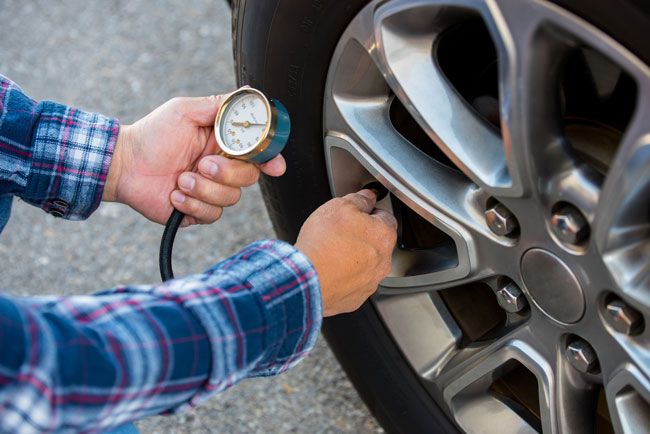
Creating a routine that employees can follow regularly ensures that vehicles are consistently maintained. Here are some examples of daily, weekly and monthly fleet vehicle checklists that can be tailored to specific fleet needs.
Daily Checklist
Daily checklists are the frontline defense against potential issues that can compromise vehicle safety and performance. A quick but thorough inspection helps catch any immediate concerns before a vehicle hits the road.
- Visual inspection: Check for visible damage to the vehicle, including dents or broken lights. Ensure mirrors are properly adjusted and clean for optimal visibility.
- Tire condition and pressure: Ensure tires are in good condition and properly inflated. Check tire pressure and tread depth. Look for any signs of damage or wear such as bulges, cuts or uneven wear patterns.
- Fluid levels: Check levels of essential fluids, including oil, coolant, brake fluid and windshield wiper fluid. Fill up as necessary. Confirm engine oil is at the correct level and note any low-oil warning lights.
- Lights and signals: Verify headlights, brake lights, and turn signals are functioning correctly. Replace any bulbs not working properly. Scan the dashboard for any warning lights and log them for follow-up.
- Brake system: Test the brakes for responsiveness and unusual noises. Make sure there are no leaks in the brake lines. Check brake pads for wear and replace them before they reach the minimum thickness.
- Windshield and wipers: Ensure the windshield is clean and free of cracks and that all wiper blades are free of tears.
- Documentation: Verify the vehicle has all necessary documentation, including insurance, registration and emergency contact information.
- Emergency equipment: Confirm required safety and emergency equipment is present and in working order, such as a fire extinguisher, reflective warning triangles, a first-aid kit and a spare tire
Weekly Checklist
A weekly checklist allows for a more thorough assessment of a vehicle’s condition. These inspections can help identify emerging issues requiring greater attention than those assessed during a daily vehicle check.
- Engine and transmission: Check for signs of leaks or unusual noises from the engine or transmission. Check the transmission fluid level and color, and schedule a change if it looks dark or burnt.
- Battery condition: Test the battery to ensure it’s holding a charge. Check the battery terminals for corrosion and ensure connections are tight. Replace as needed.
- Belts and hoses: Inspect belts and hoses for wear and replace if necessary.
- Steering: Visually inspect the steering system for any signs of wear or damage.
- Undercarriage: Assess the undercarriage for signs of leaks, damage or corrosion. Pay close attention to the exhaust system and suspension components. Address any leaks promptly to prevent damage to components and environmental contamination.
- Interior: Check the interior of the vehicle for cleanliness and functionality. Ensure all safety features, such as seat belts and airbags, are working/registering.
Monthly Checklist
Companies that perform monthly checklists often use them as a baseline to evaluate maintenance needs—especially companies with excessive monthly mileage.
- Engine performance: Conduct a diagnostic scan to check for any error codes or performance issues. Address any engine-related concerns, such as rough idling or decreased fuel efficiency.
- Brake fluid and cooling system: Check and top off brake fluid and coolant levels.
- Power steering fluid: Check the power steering fluid level and fill up if necessary.
- Air filter: Check the air filter and clean or replace if dirty.
- Tire rotation and alignment: Check tire alignment and rotate tires to promote even wear.
- Fuel system: Inspect the fuel system for leaks or damage. Clean or replace fuel filters as needed.
What to Do When a Checklist Finds a Defect
When a driver or technician finds a defect, a well-designed checklist is intended to help clarify the next steps. Note the issue, determine whether the vehicle can remain in service, create a repair or work order, assign responsibility and document when the repair is completed. Reviewing these records over time can help fleet managers identify recurring problems, reduce breakdowns and improve maintenance planning.
The Role of Fleet Cards in Vehicle Checks
Fleet card reporting can strengthen a fleet maintenance checklist by helping managers track fuel purchases, monitor mileage patterns, review driver activity and compare vehicle performance over time. When this data is paired with inspection results, work orders, maintenance tasks and repair records, fleet managers gain better visibility into cost control, preventive maintenance and recurring vehicle issues. Feeding this information into fleet management software adds another layer of tracking, monitoring and analytics, turning raw inspection and fuel data into clear maintenance scheduling and cost-saving insights.
Combining checklists with fleet card data and telematics provides a comprehensive view of vehicle performance and is designed to allow fleet managers to make more informed decisions about scheduling maintenance, vehicle downtime and fuel usage.
While most daily, weekly and monthly vehicle checks are conducted manually, some aspects can be automated with the use of fleet cards and telematics. Using a fuel card, you can keep a close eye on fuel efficiency, especially with real-time data. Introducing telematics to a fleet offers a host of data points that can be monitored in real time and from virtually anywhere. Such information includes tire pressure, oil pressure, engine performance, and more.
Combining checklists with fleet card data and telematics provides a comprehensive view of vehicle performance and is designed to allow fleet managers to make more informed decisions about scheduling maintenance, vehicle downtime and fuel usage.
This combination can also help connect inspection findings with fuel usage, mileage trends, maintenance scheduling and vehicle performance, giving fleet managers better visibility into both operating costs and vehicle condition.
Choose to Check
Incorporating daily, weekly and monthly checklists into your fleet management routine enhances safety, compliance and cost-effectiveness. Checklists serve as proactive tools for identifying and addressing potential issues before they escalate, ultimately contributing to the overall reliability and longevity of your fleet. Vehicle checks should be as integral to your fleet operations as your fuel card. Ready to put these checklists to work? Apply for a WEX fuel card to connect your inspection routine with smarter fuel tracking, spending controls and reporting.