
Article Highlights
- Track Fleet Health: Use routine mileage logging to diagnose engine issues or route traffic problems before they cause breakdowns.
- Spot Early Engine Signs: A sudden 10% spike in fuel usage alerts you to underlying mechanical problems before a breakdown occurs.
- Catch Issues Before Breakdowns: Routine mileage logs reveal hidden engine inefficiencies before they leave your drivers stranded.
Fleet fuel efficiency directly impacts operating costs, with poor fuel economy wasting thousands of dollars annually. This excessive consumption can be reduced with proper driving techniques, vehicle maintenance and operational strategies. Small improvements typically compound across multiple vehicles and thousands of miles into substantial annual savings.
A WEX Fleet Card is an effective fleet management tool, helping drive efficiency through powerful controls and data-tracking features. Apply today.
With fleet card transaction data, fleet managers can identify drivers with poor fuel economy, enabling targeted training rather than universal approaches.
Driver Behavior Training Programs
Driver habits directly affect fuel economy. Aggressive acceleration, hard braking, excessive idling and high-speed driving can reduce efficiency 15% to 30% compared to smooth, moderate operation.*
Data-driven coaching typically proves more effective than generic training. With fleet card transaction data, fleet managers can identify drivers with poor fuel economy, enabling targeted training rather than universal approaches. Showing drivers their actual consumption versus fleet averages makes efficiency concrete rather than abstract.
Smooth Acceleration Techniques
Rapid acceleration from stops wastes fuel by forcing engines into high-RPM operation, spiking consumption. Gradual acceleration builds speed steadily and typically delivers better economy. Training drivers to accelerate moderately can help reduce consumption without meaningfully affecting travel times.
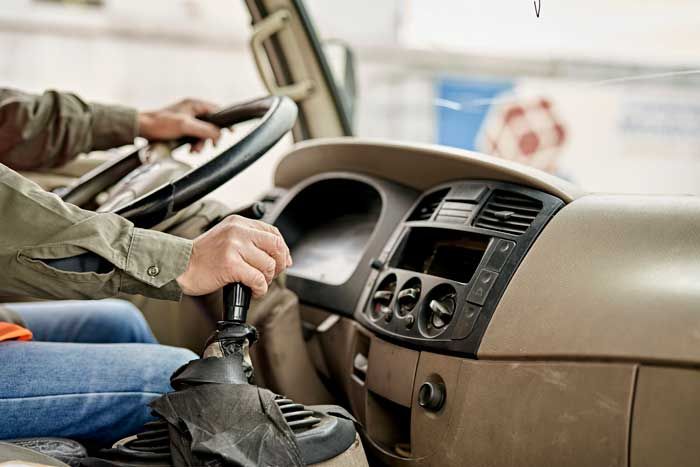
Manual transmission operations benefit particularly from proper gear selection. Shifting at appropriate RPM ranges and avoiding excessive engine revving between gears helps maintain efficiency. Automatic transmissions require less driver intervention but still respond to throttle input patterns, affecting shift timing and fuel delivery.
Anticipatory Driving Habits
Looking ahead and anticipating traffic changes allows drivers to maintain steady speeds rather than constantly accelerating and braking. Approaching red lights by coasting rather than maintaining speed until the last moment helps conserve the momentum lost through braking.
Reducing Excessive Idling
Extended idling wastes fuel with no productivity. A vehicle idling for 10 minutes consumes roughly the same amount of fuel as restarting and driving for one minute. Businesses can often reduce idling through driver education.
Modern engines do not require the extensive warm-up periods common in previous decades. Thirty seconds to two minutes (depending on the engine size) typically suffices for engine oil circulation before driving. With semis, five minutes is enough time to warm up the engine. Extended warm-up idling wastes fuel and can cause engine damage from incomplete combustion and carbon buildup.
Tracking Idling
Some fleet management systems track idle time via GPS or telematics integration. These systems can identify vehicles and drivers with excessive idling patterns. Quantifying idle waste in gallons and dollars helps make inefficiencies tangible for drivers.
Automatic engine shut-off technology eliminates idle waste during extended stops. Vehicles equipped with auto-stop systems turn off engines when stopped and restart automatically when drivers release the brakes. This technology typically improves fuel economy by 5% to 10% in urban driving conditions involving frequent stops.
Reducing Unnecessary Engine Operation
Drivers often idle vehicles during breaks, meal periods, or while waiting for loading. This practice wastes significant fuel over time. Training drivers to shut off engines during extended stops can help reduce consumption without affecting operations or requiring capital investment in new equipment.
Climate control idling is particularly wasteful. Running air conditioning or heating while parked consumes fuel rapidly. Alternative solutions, such as auxiliary power units or parking in shaded areas, can help maintain comfort without engine operation.
Proper Vehicle Maintenance Schedules
Mechanical conditions directly affect efficiency. Underinflated tires, dirty air filters, worn spark plugs, and improper alignment increase fuel consumption by increasing resistance and reducing combustion efficiency. Regular maintenance helps maintain optimal fuel economy throughout a vehicle’s lifespan.
Usually, preventive maintenance costs less than the fuel it saves. A $40 air filter replacement might improve the economy by 5%, saving hundreds of dollars in fuel annually. Multiplied across fleet operations, these maintenance investments typically generate substantial returns through improved efficiency.
Tire Pressure Monitoring
Tire pressure affects rolling resistance significantly. Just 5 PSI of underinflation can reduce the economy by 2% to 3%.* Across a fleet of 50 vehicles driving 20,000 miles annually at an average of 15 MPG, this seemingly minor underinflation could waste 1,000 to 1,500 gallons annually.
Monthly pressure checks help maintain optimal inflation. Some businesses implement daily driver inspections, including visual tire checks and pressure verification. This proactive approach typically catches slow leaks before they significantly affect efficiency or cause tire damage requiring replacement.
Air Filter Replacement
Clogged air filters restrict engine airflow, causing a rich fuel mixture and wasted gas without providing any power benefits. Modern fuel-injected engines compensate for restricted airflow by increasing fuel delivery and protecting engines, both of which may improve fuel economy in the process.
Filter replacement intervals typically range from 15,000 to 30,000 miles, depending on operating conditions. Vehicles operating in dusty environments need more frequent changes. Visual inspections help determine actual replacement needs rather than relying solely on mileage intervals, which may not match real-world conditions.
Route Optimization Strategies
GPS technology, combined with real-time traffic data, enables dynamic rerouting around congestion or accidents. These systems calculate fuel-optimal paths automatically based on current conditions rather than relying on historical averages or driver assumptions about best routes.
Efficient routing reduces miles driven, time spent in traffic, and total fuel consumed.
Stop Sequencing Optimization
The order in which drivers make multiple stops directly affects total miles driven. A delivery route with 15 stops will consume more fuel with poor sequencing than with an optimized order. Route planning software considers locations, time windows and traffic patterns to calculate efficient sequences. Manual route planning often produces suboptimal results because humans struggle to consider all variables simultaneously.
Traffic Pattern Awareness
Time-of-day routing matters significantly. Routes through congested areas during rush hours waste fuel due to stop-and-go traffic. Alternative timing or routing can help avoid these inefficiencies when service agreements permit schedule flexibility.
Historical traffic data helps planners understand congestion patterns. Morning routes might perform better before 7:00 AM, while afternoon routes could benefit from departures after 10:00 AM.
Speed Management and Highway Efficiency
Vehicle speed directly affects fuel economy, particularly above 50 MPH, where aerodynamic drag increases exponentially. Reducing highway speed from 70 MPH to 60 MPH can improve the economy by 15% to 20%. These gains must be balanced against productivity considerations, but awareness helps drivers make informed speed choices.
Aerodynamic Considerations
Wind resistance increases exponentially with speed, making aerodynamics critical at highway velocities. Properly secured loads, closed windows at high speeds, and the removal of unnecessary roof racks all help reduce drag and improve fuel economy.
Cargo vans and trucks benefit particularly from aerodynamic improvements. Wind deflectors, side skirts and rear fairings can reduce drag, delivering meaningful fuel economy improvements for highway-heavy operations.
Cruise Control Usage
Cruise control maintains consistent highway speeds, eliminating the speed variations manual throttle operation typically produces. These fluctuations waste energy by repeatedly accelerating the vehicle.
Adaptive cruise control systems add safety benefits while maintaining efficiency advantages. These systems automatically adjust speeds based on traffic, helping prevent rear-end collisions while still delivering economy benefits from reduced speed variations.
Vehicle Load Management
Excess weight directly reduces fuel economy. Businesses can help improve efficiency by eliminating unnecessary equipment, tools and materials carried in vehicles when they are not required for immediate operations.
Regular vehicle inventory helps identify the accumulation of excess items over time. Toolboxes, spare parts and emergency equipment often remain in vehicles long after their initial purpose has passed. Periodic cleanouts can help remove hundreds of pounds of unnecessary weight.
Right-Sizing Vehicle Selection
Operating oversized vehicles wastes fuel through unnecessary weight and poor aerodynamics. A three-quarter-ton pickup making deliveries where a cargo van would suffice burns excess fuel every mile. Fleet composition reviews can help identify which vehicles no longer match operational needs.
The transition requires capital investment, but fuel savings may justify upgrades, depending on annual mileage and fuel price differences. Downsizing, when appropriate, typically improves efficiency without affecting service capabilities.
Load Distribution and Balance
Proper load distribution affects vehicle handling and efficiency. Unbalanced loads create handling problems and can increase rolling risk due to uneven tire loading. Training drivers to properly distribute cargo can improve both safety and efficiency.
Trailer towing requires particular attention to weight distribution and tongue weight. Improper loading affects the towing vehicle’s fuel economy and creates dangerous handling characteristics. Following manufacturer guidelines helps optimize both safety and fuel consumption.
Fuel Card Tracking and Analysis
Measuring efficiency requires data. Fleet fuel cards track valuable information with every purchase. Each transaction is recorded in real time, including gallons purchased, odometer readings, vehicle ID, driver ID and more. This data helps businesses calculate per-vehicle economy and identify inefficient units or drivers.
Regular reporting reviews help recognize trends before they become major problems. Gradual declines in efficiency suggest developing issues, while sudden drops indicate immediate problems. Early identification typically allows corrective action before small issues become expensive repairs.
Per-Vehicle Economy Benchmarking
Comparing similar vehicles operating comparable routes reveals efficiency variations attributable to mechanical condition or driver behavior. Vehicles achieving superior economy set benchmarks for their class. Units significantly below fleet averages warrant investigation to determine root causes.
Driver Performance Comparison
Comparing drivers operating similar vehicles on comparable routes helps isolate behavior as a variable affecting fuel economy. Superior performers deserve recognition, while struggling drivers benefit from coaching. This data-driven approach targets training efforts to deliver maximum impact.
Incentive programs based on efficiency metrics can help motivate continued improvement. Recognizing and rewarding superior fuel economy creates positive competition, which often drives fleet-wide gains as drivers work to achieve best-in-class performance.
Driving Fuel Efficiency with a Fleet Card
Effective fleet fuel-efficiency improvements require combining driver training, vehicle maintenance, real-time data and operational strategies into a comprehensive program. WEX fuel cards can help fleet managers do it all.
Learn more at wexcard.com.
*According to the U.S. Department of Energy (energy.gov). Results may vary.